
01
Review Your History
Your obstetrician checks past pregnancies, existing conditions, current medicines and earlier scan reports to pinpoint the exact concern.


LB Nagar | King Koti
Thyroid disorders, anaemia, a past caesarean or conception through IVF calls for extra attention. At M’Brace, senior obstetricians, a Fetal Medicine Unit and NICU support plan your scans, check-ups and delivery around what your reports show.
How M’Brace Plans Your Treatment
Compared with routine antenatal care, you can expect more frequent check-ups, targeted scans and tests, and a delivery plan agreed in advance. Your obstetrician sets each step according to your condition and stage of pregnancy.
01
Your obstetrician checks past pregnancies, existing conditions, current medicines and earlier scan reports to pinpoint the exact concern.

02
Your obstetrician fixes how often you attend and which tests repeat, such as glucose, haemoglobin, thyroid or urine protein.

03
Growth scans, Doppler studies and CTG measure size, blood flow and heart rate, with Fetal Medicine Unit review if results change.

04
Timing, vaginal birth or caesarean, and LDR room or theatre are agreed, with the neonatal team briefed beforehand if needed.
Why Choose Us
Senior consultant obstetricians, led by the Head of Obstetrics & Gynaecology, plan your monitoring. If a scan raises a concern, the Fetal Medicine Unit and 4D ultrasound in the same hospital allow it to be reviewed without a referral elsewhere. For delivery, this high-risk pregnancy hospital in Hyderabad has advanced LDR rooms, sterile theatres and a NICU with high-end neonatal ventilation, so mother and baby stay under one roof if plans change. NABH- and NABL-accredited Kamineni Hospitals provide 24/7 emergency and transport backup.

Common Reasons
Some women know they will need high-risk monitoring before they conceive, because of an existing condition such as diabetes or thyroid disease. Others find out after conception, when a routine scan or blood test shows a change that needs closer watching. The eight factors below are what obstetricians check for most often.

Diabetes before conception, or gestational diabetes on a glucose test.

Gestational hypertension or pre-eclampsia, now or previously.
Low haemoglobin, hypothyroidism, hyperthyroidism or another long-term illness.

More than one baby means extra growth scans.
Previous caesarean, miscarriage, stillbirth or preterm delivery.

Conception through IVF, ICSI, IUI or ovulation medicines.

Aged 35+, or conceiving within 18 months of a birth.
Restricted fetal growth, low-lying placenta or a structural anomaly.
Diabetes before conception, or gestational diabetes on a glucose test.
Low haemoglobin, hypothyroidism, hyperthyroidism or another long-term illness.
Previous caesarean, miscarriage, stillbirth or preterm delivery.
Aged 35+, or conceiving within 18 months of a birth.
Gestational hypertension or pre-eclampsia, now or previously.
More than one baby means extra growth scans.
Conception through IVF, ICSI, IUI or ovulation medicines.
Restricted fetal growth, low-lying placenta or a structural anomaly.
High-Risk Pregnancy Care
High-risk pregnancy treatment in Hyderabad at M'Brace follows your pregnancy week by week. Select a stage to see the checks and decisions usually involved, further adjusted to your own condition.
 Before Conceiving
Stage 01
If you have diabetes, high blood pressure, thyroid disease or a past complication, a review at this stage checks that your levels are controlled and your medicines are safe for pregnancy.
Stage 02
Your doctor advises on folic acid strength, any medicine changes and when to start trying, which can lower certain risks from the outset.

Speak to a Obstetrician
Diagnostics & Monitoring
Each facility below answers a specific question, and your obstetrician chooses which you need according to your condition and stage.

Fetal Medicine Unit
Detailed scans and Doppler assess organs and placental blood flow.

4D Ultrasound
Real-time moving images show position, activity and surface features.

Fetal Monitoring
Monitoring systems record heart rate patterns before and during labour.

Lab & Diagnostics
Blood and urine results flag sugar, anaemia, thyroid or kidney changes.
Our Team
Every consultation follows one principle:Risks Explained. Decisions Shared.
Your pregnancy is managed by senior consultant obstetricians, led by Dr K. Vasundhara, Head of Obstetrics & Gynaecology. When delivery planning begins, consultant neonatologists join the discussion, so your baby’s care is planned alongside yours rather than after birth.
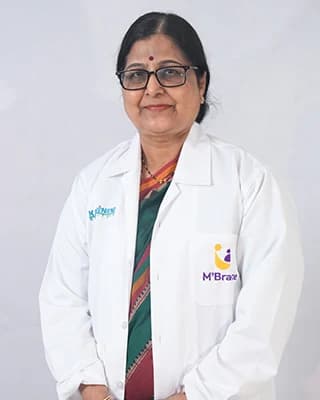
MBBS, DGO, DNB
Head of Obstetrics & Gynaecology and Medical Director of the Kamineni Fertility Center
 35+ Years
 English, Hindi, Telugu
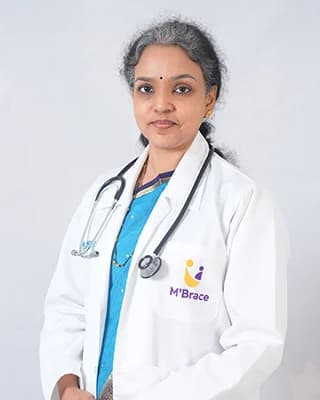
MBBS, MS (Obstetrics & Gynaecology), FMAS
Senior Consultant Obstetrician & Gynaecologist, Laparoscopic & Robotics Surgeon
15+ YearsEnglish, Hindi, Telugu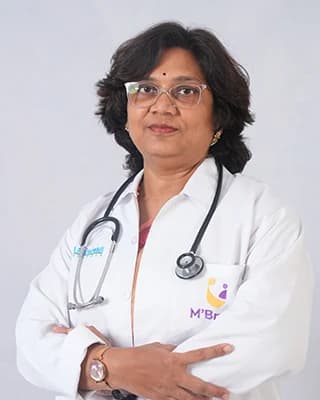
MBBS, MD, DGO
Senior Consultant Obstetrics & Gynaecologist, Infertility Specialist
25+ YearsEnglish, Hindi, Telugu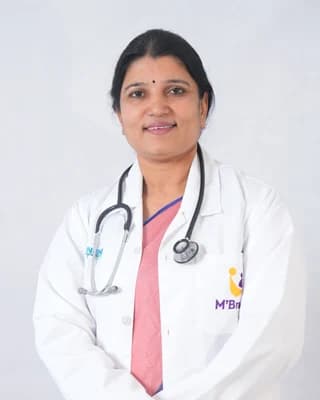
MBBS, MD
Senior Consultant Obstetrician & Gynaecologist, Laparoscopic & Robotics Surgeon, Fertility Specialist
15+ YearsEnglish, Hindi, Telugu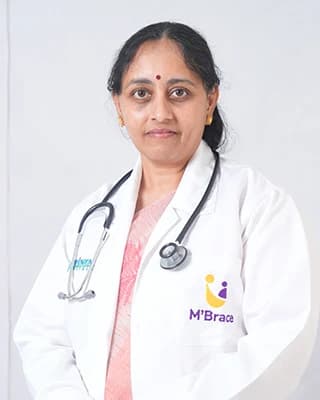
MBBS, DGO, DNB
Senior Consultant Obstetrician & Gynaecologist, Laparoscopic & Robotics Surgeon
17+ YearsEnglish, Hindi, Telugu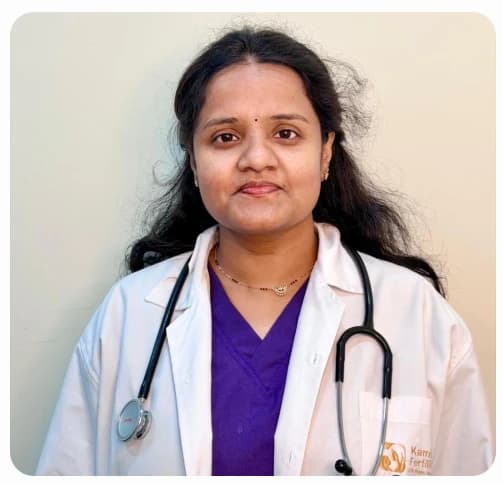
Consultant, Infertility Specialist
20+ YearsEnglish, Hindi, Telugu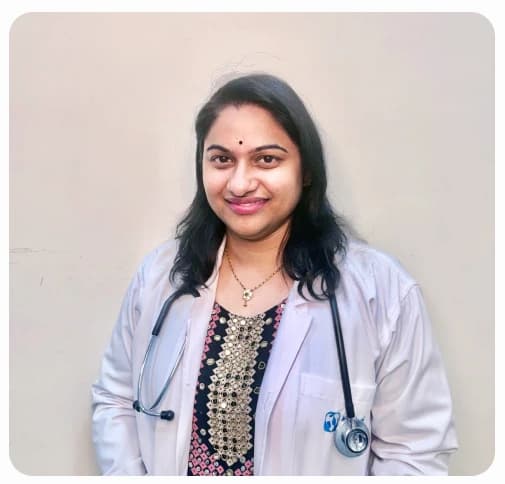
Consultant, Infertility Specialist
20+ YearsEnglish, Hindi, Telugu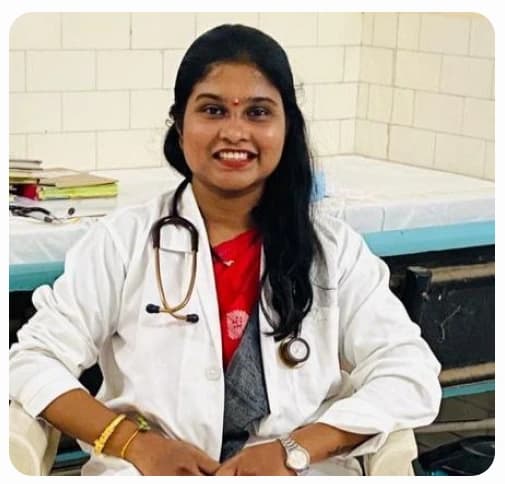
Consultant, Infertility Specialist
20+ YearsEnglish, Hindi, TeluguLocation
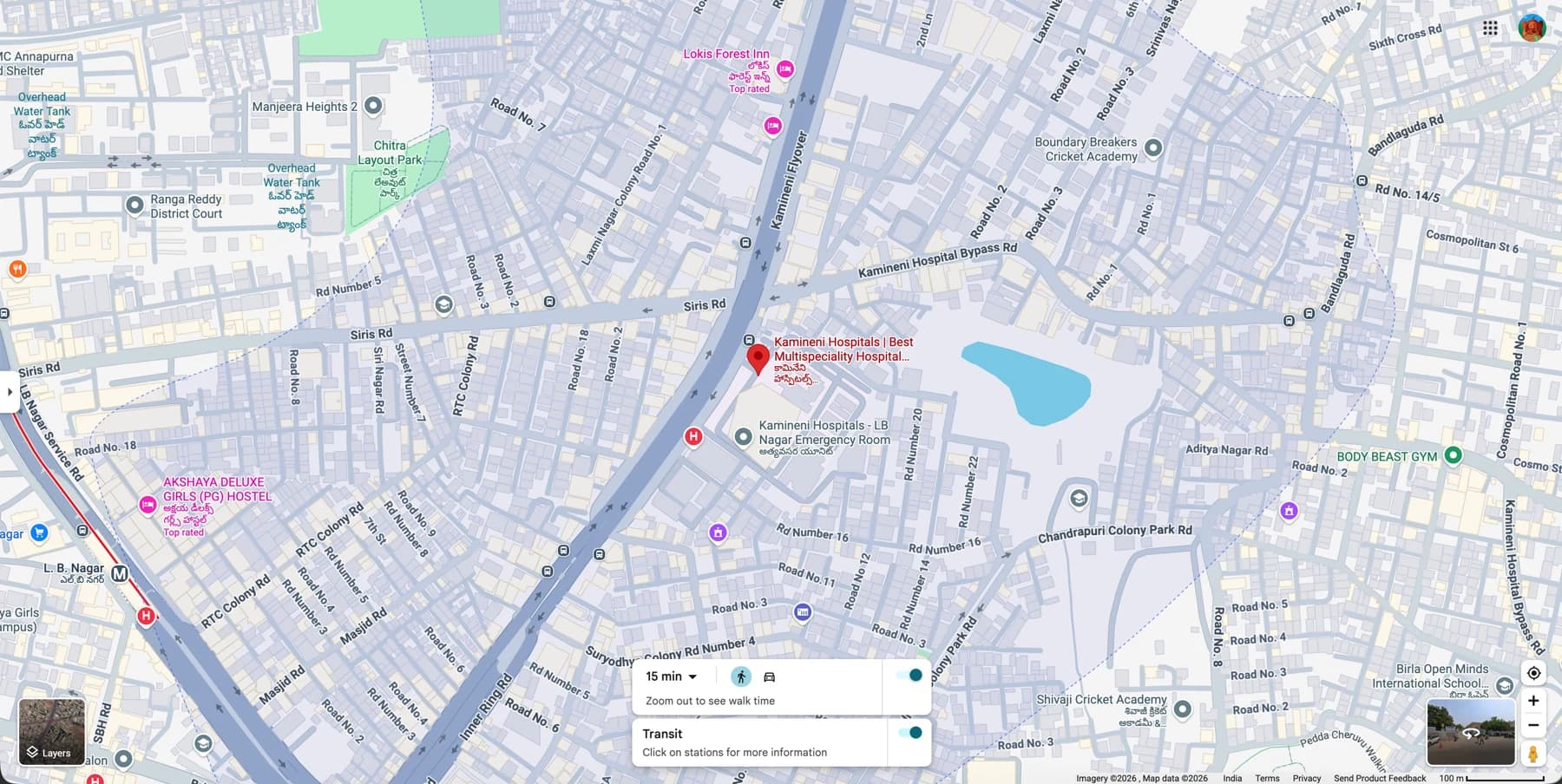
M'Brace welcomes you at two locations in Hyderabad, LB Nagar and King Koti, each equipped for consultations, diagnostics and every stage of care.
Frequently Asked Questions
What women most often ask after being told their pregnancy needs extra attention.
Ready for First Review?
Fill in the form and the M’Brace care team will call you to fix a consultation time at LB Nagar or King Koti.