
01
Triage on Arrival
Breathing, circulation, temperature and alertness are checked first to set the level of urgency.


LB Nagar | King Koti
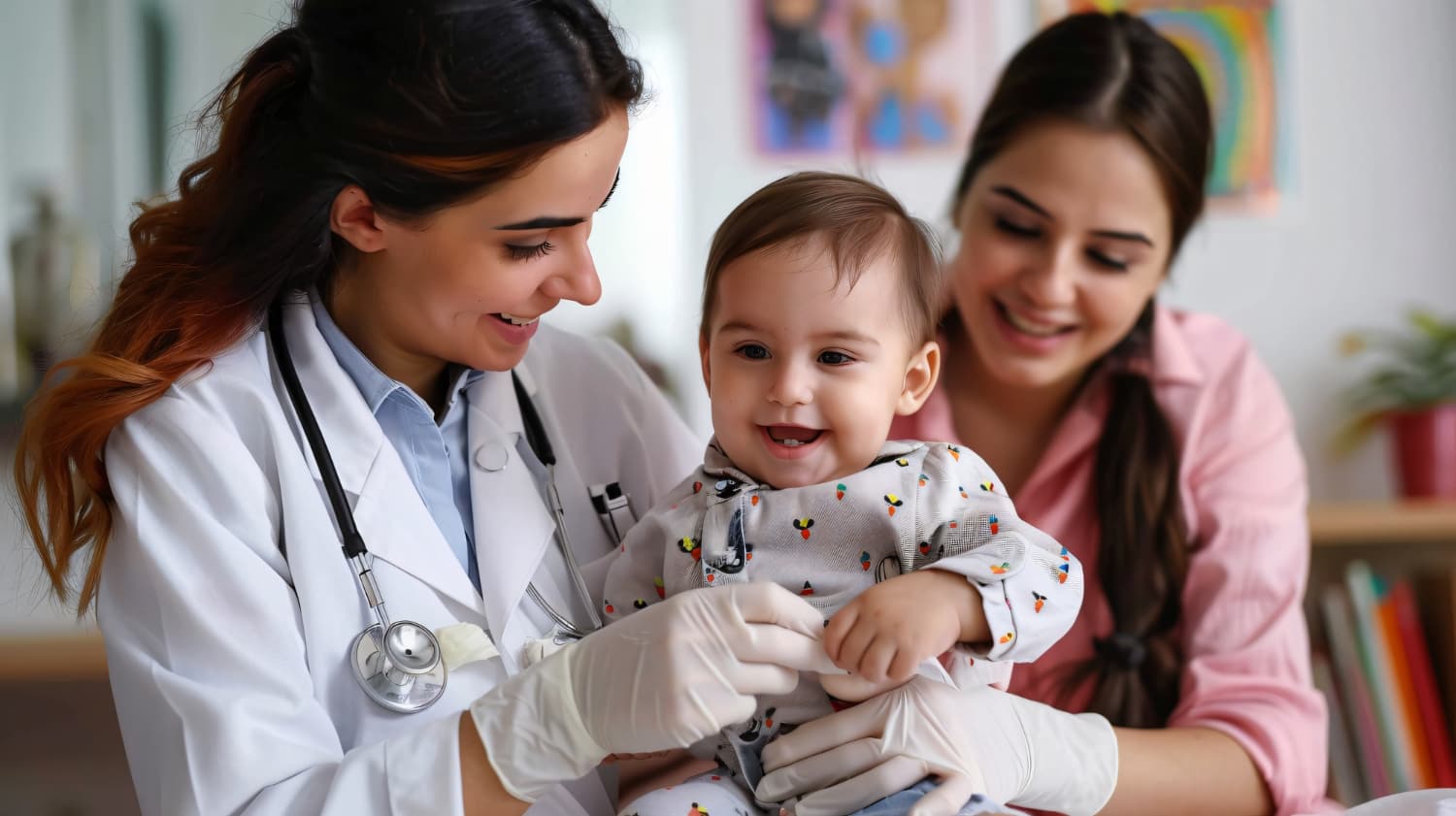
The paediatric emergency area at M’Brace is open 24/7, with emergency, stabilisation and direct access to the PICU and NICU if your child needs more care.
How M’Brace Handles Emergencies
Every child is assessed on arrival so the sickest are treated first. Parents are told what is happening at each stage, and children who can go home leave with clear instructions.
01
Breathing, circulation, temperature and alertness are checked first to set the level of urgency.

02
Oxygen, fluids, fever control or seizure medicines are started straight away if needed.

03
Blood tests, X-rays or ultrasound are done close to the emergency area to guide treatment.

04
Children are admitted to the ward, PICU or NICU, or sent home with clear advice and follow-up.
Why Choose Us
Emergencies are managed by consultant paediatricians, with a paediatric intensivist for critically ill children and neonatologists for newborns, so the right specialist reviews your child quickly. As a child emergency hospital in Hyderabad within NABH- and NABL-accredited Kamineni Hospitals, M'Brace has a dedicated paediatric emergency area, a PICU, a NICU, theatres and 24/7 transport support for children referred from other centres.

When to Come In
Most childhood illnesses can wait for a regular appointment, but these signs need prompt assessment. Trust your instinct: if your child seems very unwell, come in.

Fast breathing, chest pulling in or blue lips.

Any fever in a baby under three months.
A fit, especially a first one or one lasting over five minutes.

No urine for eight hours, sunken eyes or no tears.
Vomiting, drowsiness or unusual behaviour after a fall.

Medicines, chemicals, batteries or coins swallowed.

Swelling of the face or lips with breathing difficulty.
Unusual sleepiness or not responding normally.
Fast breathing, chest pulling in or blue lips.
A fit, especially a first one or one lasting over five minutes.
Vomiting, drowsiness or unusual behaviour after a fall.
Swelling of the face or lips with breathing difficulty.
Any fever in a baby under three months.
No urine for eight hours, sunken eyes or no tears.
Medicines, chemicals, batteries or coins swallowed.
Unusual sleepiness or not responding normally.
Paediatric Emergency
Paediatric emergency care in Hyderabad at M'Brace follows a set sequence so no time is lost. Select a stage to see what happens and what you can do.
 Before You Arrive
Stage 01
For breathing difficulty, a seizure or unresponsiveness, call the emergency line or come straight in rather than waiting.
Stage 02
Bring any medicine packets or containers involved, recent prescriptions and your child's vaccination card.
Get Directions
Diagnostics & Monitoring
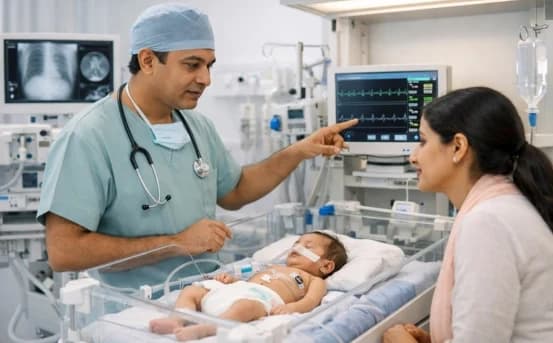
Tests are done close to the emergency area, so results guide treatment quickly.

Blood
Check infection, sugar, dengue and hydration status.

Imaging
Assess the chest, bones, abdomen and swallowed objects.
Monitoring
Track oxygen levels and heart rate continuously.

Urine
Detect urinary infection, a common hidden cause of fever.
Our Team
Every emergency follows one principle:Fast Action. Calm Explanation.
If you need an emergency paediatrician in Hyderabad, M’Brace’s consultant paediatricians, paediatric intensivist and neonatologists cover the emergency area, with senior support available day and night.
MBBS, DNB (Paediatrics), FNNF
Consultant Paediatrician & Neonatologist
 15+ Years
 English, Hindi, Telugu
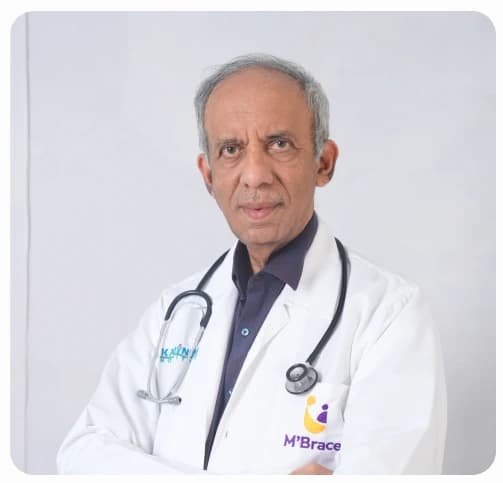
Senior Consultant Paediatrician
25+ YearsEnglish, Hindi, Telugu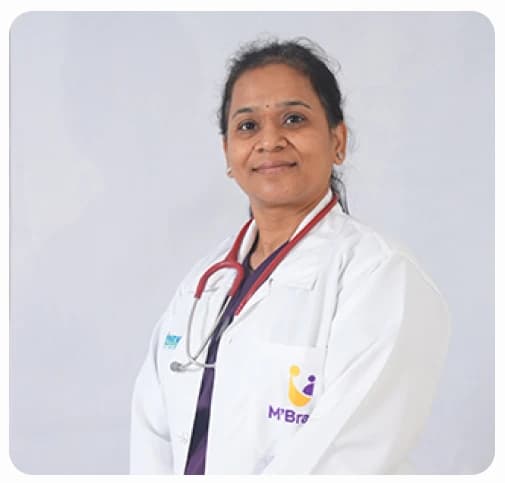
MBBS, DNB (Paediatrics), PGPN (Boston), IDPCCM
Consultant Paediatrician & Paediatric Intensivist
18+ YearsEnglish, Hindi, Telugu
MD (Paediatrics), DCH
Professor & HOD, Paediatrics
25+ YearsEnglish, Hindi, Telugu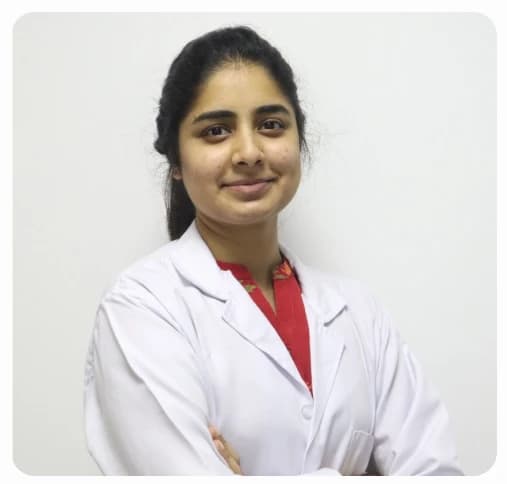
Consultant Paediatrician & Neonatologist
20+ YearsEnglish, Hindi, Telugu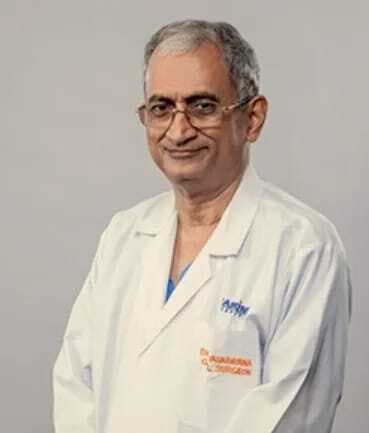
MS, MCh (Paediatric Surgery), FMAS
Consultant Surgical Gastroenterologist
20+ YearsEnglish, Hindi, Telugu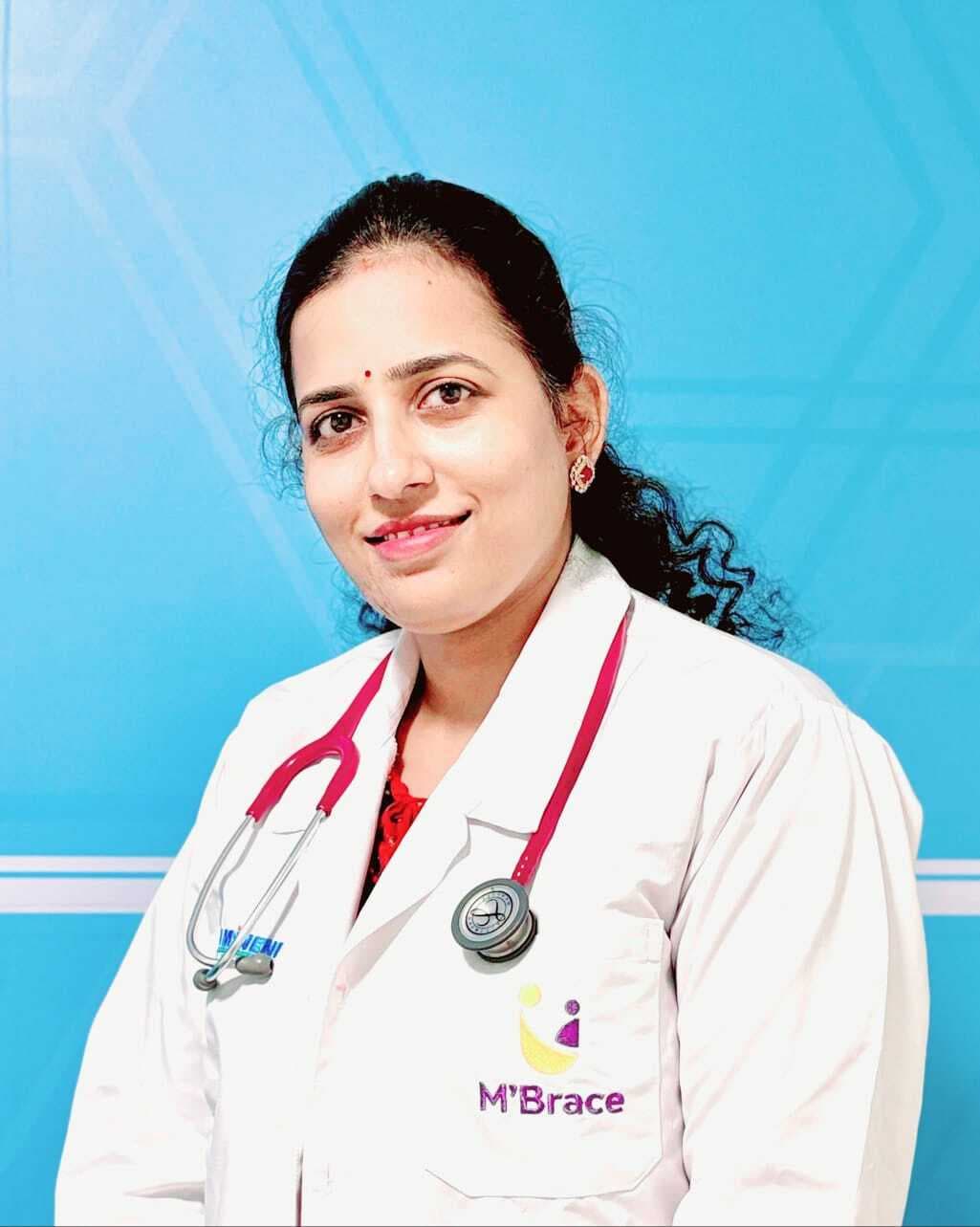
MBBS, MD (Paediatrics)
Consultant Paediatrician
5+ YearsEnglish, Hindi, Telugu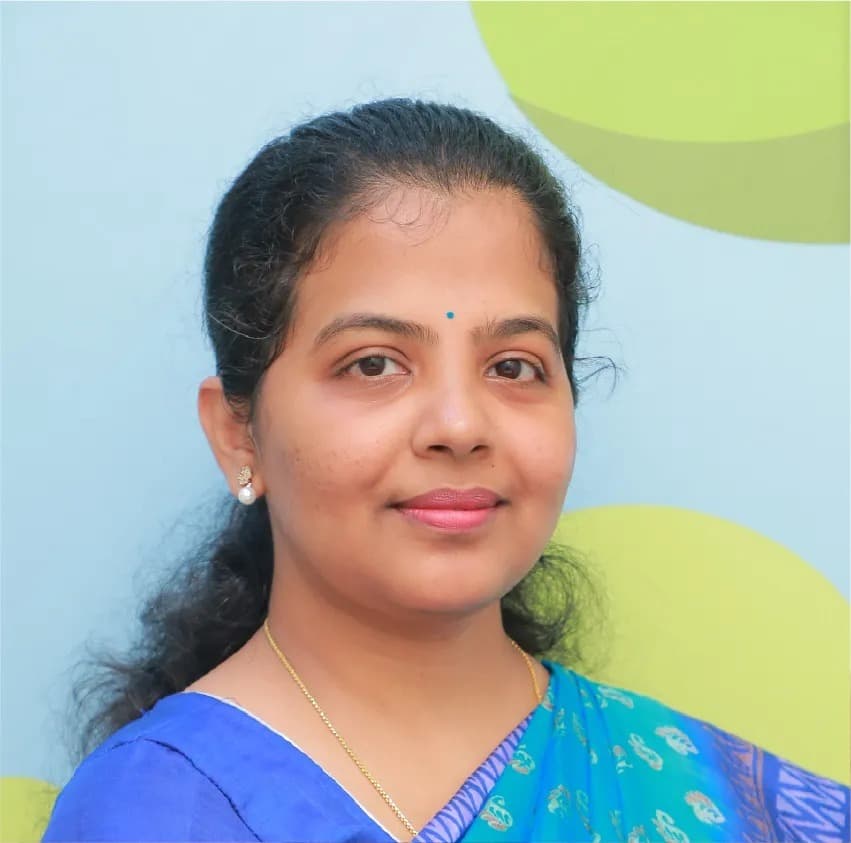
Paediatric Neurologist
English, Hindi, TeluguDevelopmental Paediatrician
English, Hindi, Telugu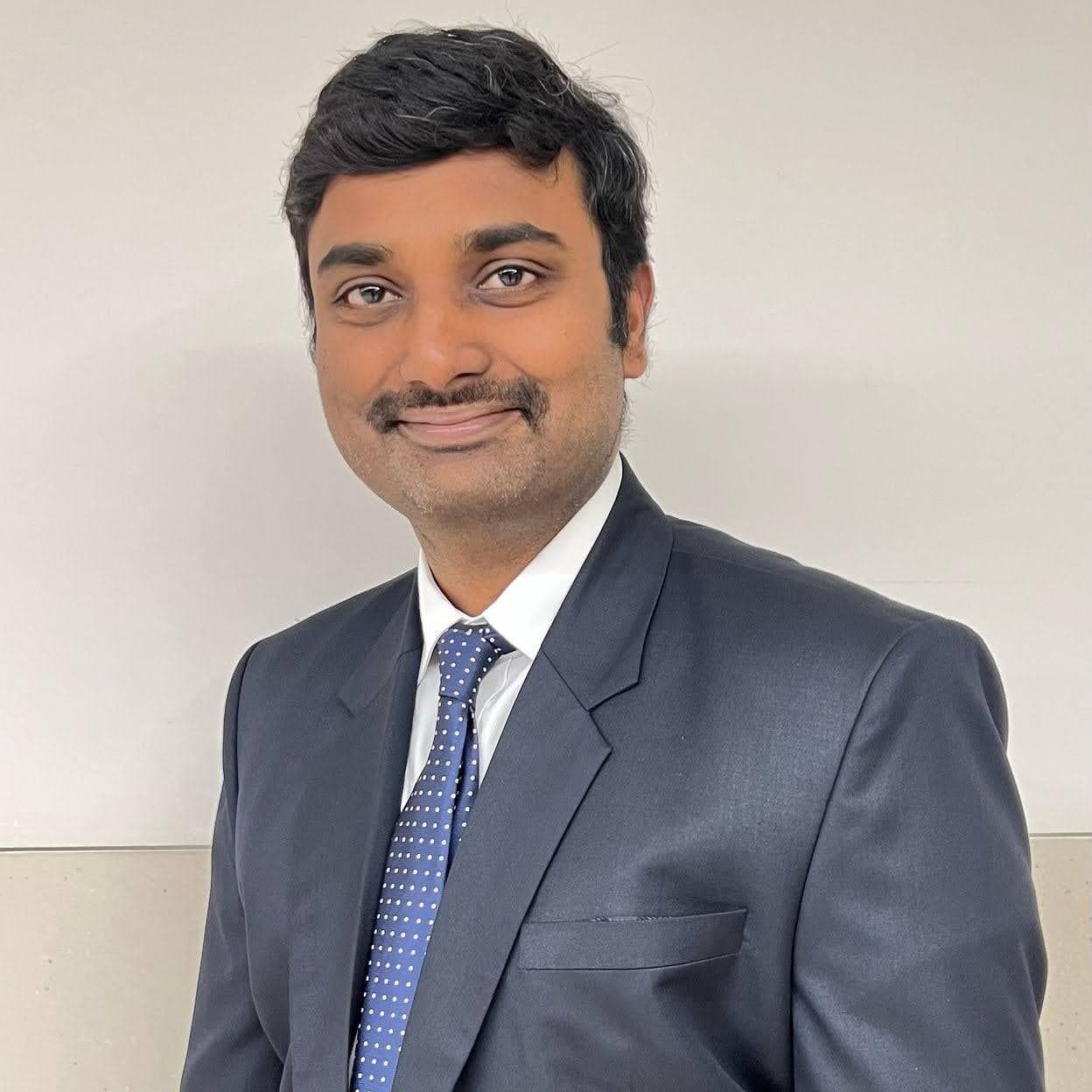
Paediatric Orthopaedics
English, Hindi, TeluguLocation
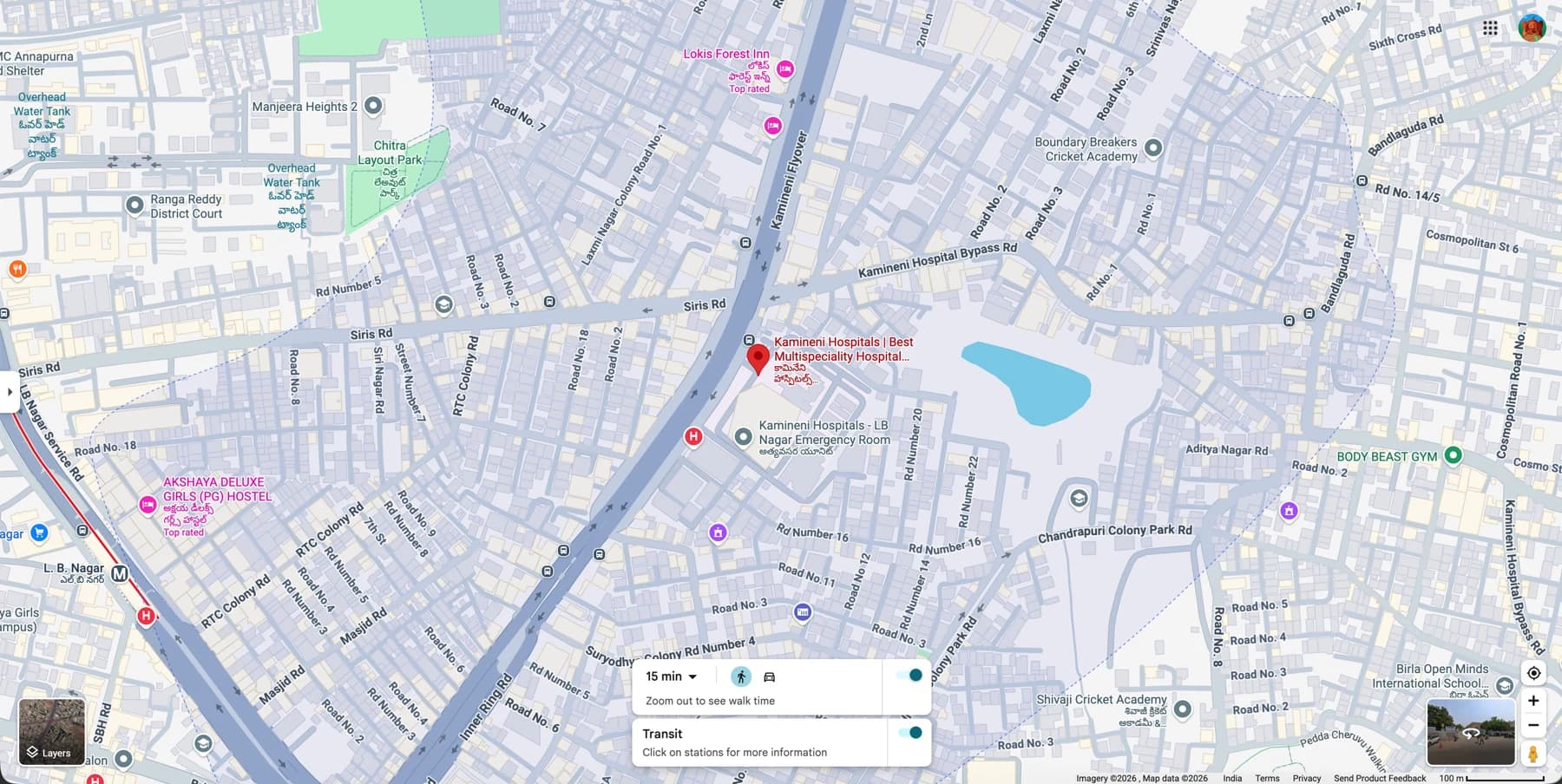
M'Brace welcomes you at two locations in Hyderabad, LB Nagar and King Koti, each equipped for consultations, diagnostics and every stage of care.
Frequently Asked Questions
What parents most often ask in an emergency.
Following Up After an Emergency Visit?
Fill in the form and the M’Brace care team will call you to fix a developmental assessment at LB Nagar or King Koti.