
01
Confirm the Need
Semen results, previous fertilisation history and the sperm source show whether ICSI is needed.


LB Nagar | King Koti
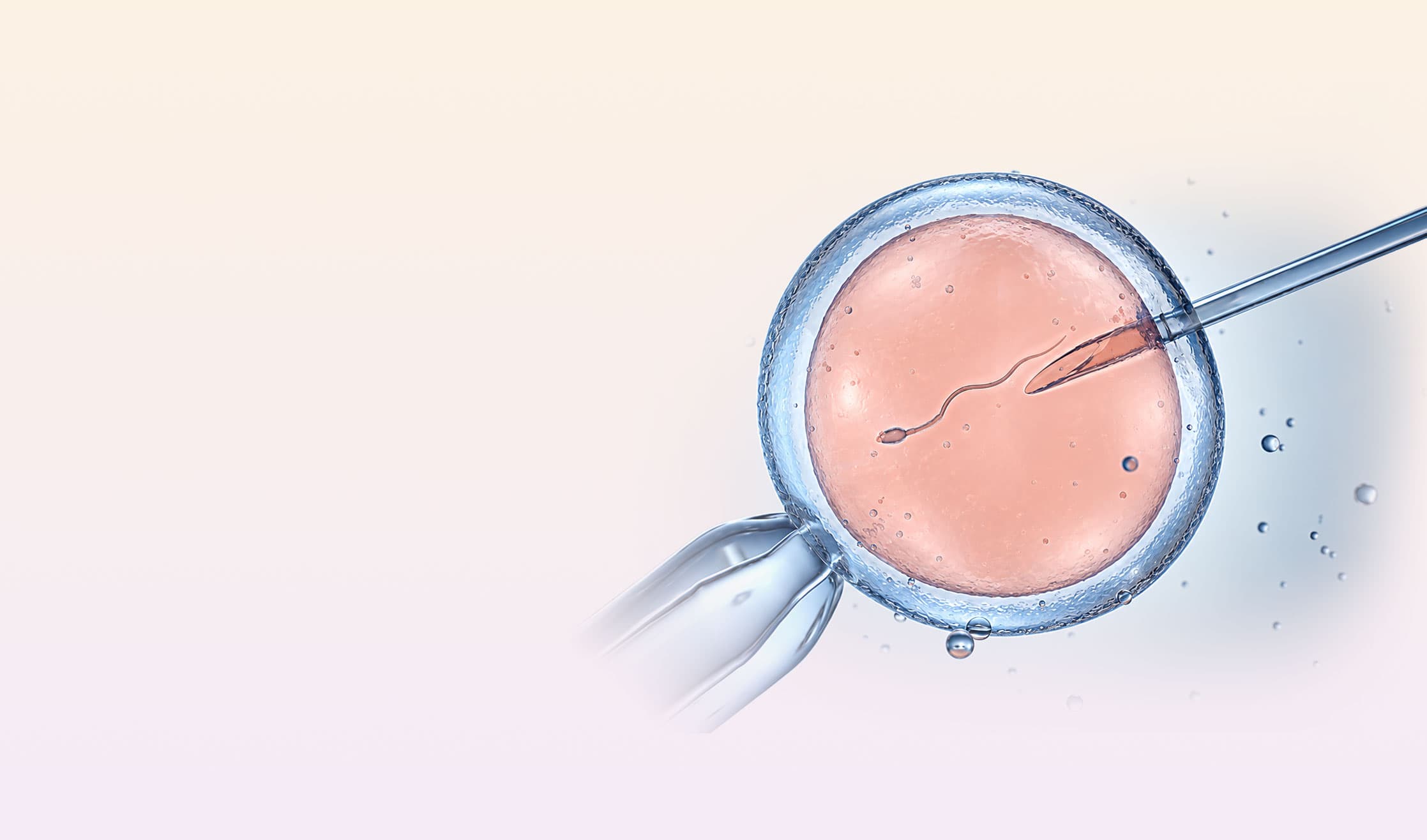
ICSI (intracytoplasmic sperm injection) is a lab technique used within IVF when sperm count, movement or shape is very low, or when eggs did not fertilise before. At M’Brace, an experienced embryologist performs ICSI under high magnification.
How M’Brace Plans ICSI
ICSI follows the same steps as IVF for the woman. The difference is in the lab, where a single selected sperm is injected into each mature egg instead of leaving them to fertilise on their own.
01
Semen results, previous fertilisation history and the sperm source show whether ICSI is needed.

02
Ovarian stimulation and egg collection follow the usual IVF process.

03
The embryologist chooses healthy-looking, moving sperm and injects one into each mature egg.

04
Fertilised eggs grow into embryos, and a selected embryo is transferred to the uterus.
Why Choose Us
ICSI demands precise lab skill. At M'Brace, it is performed by an embryologist with more than 12 years' experience, with infertility specialists deciding with you whether ICSI is truly needed. As an ICSI centre in Hyderabad within the M'Brace fertility service, the same team assesses the male partner, performs ICSI and follows a positive pregnancy into antenatal care, backed by NABH- and NABL-accredited Kamineni Hospitals.

Who Needs ICSI
ICSI is mainly used when sperm cannot fertilise eggs on their own. It is not needed for every IVF cycle, and your specialist explains why it is advised for you.

Severe oligospermia.

Too few motile sperm for IVF.
A high proportion of irregular sperm.

Sperm taken from the testis or epididymis.
Eggs that did not fertilise in an earlier IVF cycle.

Limited stored sperm samples.

Making the most of a small number of eggs.
Antibodies that stop sperm entering the egg.
Severe oligospermia.
A high proportion of irregular sperm.
Eggs that did not fertilise in an earlier IVF cycle.
Making the most of a small number of eggs.
Too few motile sperm for IVF.
Sperm taken from the testis or epididymis.
Limited stored sperm samples.
Antibodies that stop sperm entering the egg.
ICSI: Intracytoplasmic sperm injection
ICSI fertility treatment in Hyderabad at M'Brace adds a precise lab step to IVF. Select a stage to see what happens to your eggs and sperm.
 Male Assessment
Stage 01
Two or more semen analyses confirm the severity of the sperm problem before ICSI is planned.
Stage 02
Hormone and, where needed, genetic tests check for conditions that could be treated or passed on.

Get a Fertility Evaluation
Diagnostics & Lab Checks
These tests confirm whether ICSI is needed and help plan the cycle.

Semen
Confirms the severity of male factor.

Genetic
Advised for very low counts or absent sperm.

Lab
Identifies eggs suitable for injection.

Embryos
Tracks development after ICSI.
Our Team
Every injection follows one principle:Precision in the Lab. Clarity for You.
At M’Brace, an ICSI hospital in Hyderabad, an experienced embryologist performs each injection, while consultant infertility specialists plan stimulation and explain every result.

MBBS, MD, DGO
Senior Consultant Obstetrics & Gynaecologist, Infertility Specialist
 25+ Years
 English, Hindi, Telugu

MBBS, MD
Senior Consultant Obstetrician & Gynaecologist, Laparoscopic & Robotics Surgeon, Fertility Specialist
15+ YearsEnglish, Hindi, Telugu
Consultant, Infertility Specialist
20+ YearsEnglish, Hindi, Telugu
Consultant, Infertility Specialist
20+ YearsEnglish, Hindi, Telugu
Consultant, Infertility Specialist
20+ YearsEnglish, Hindi, TeluguLocation
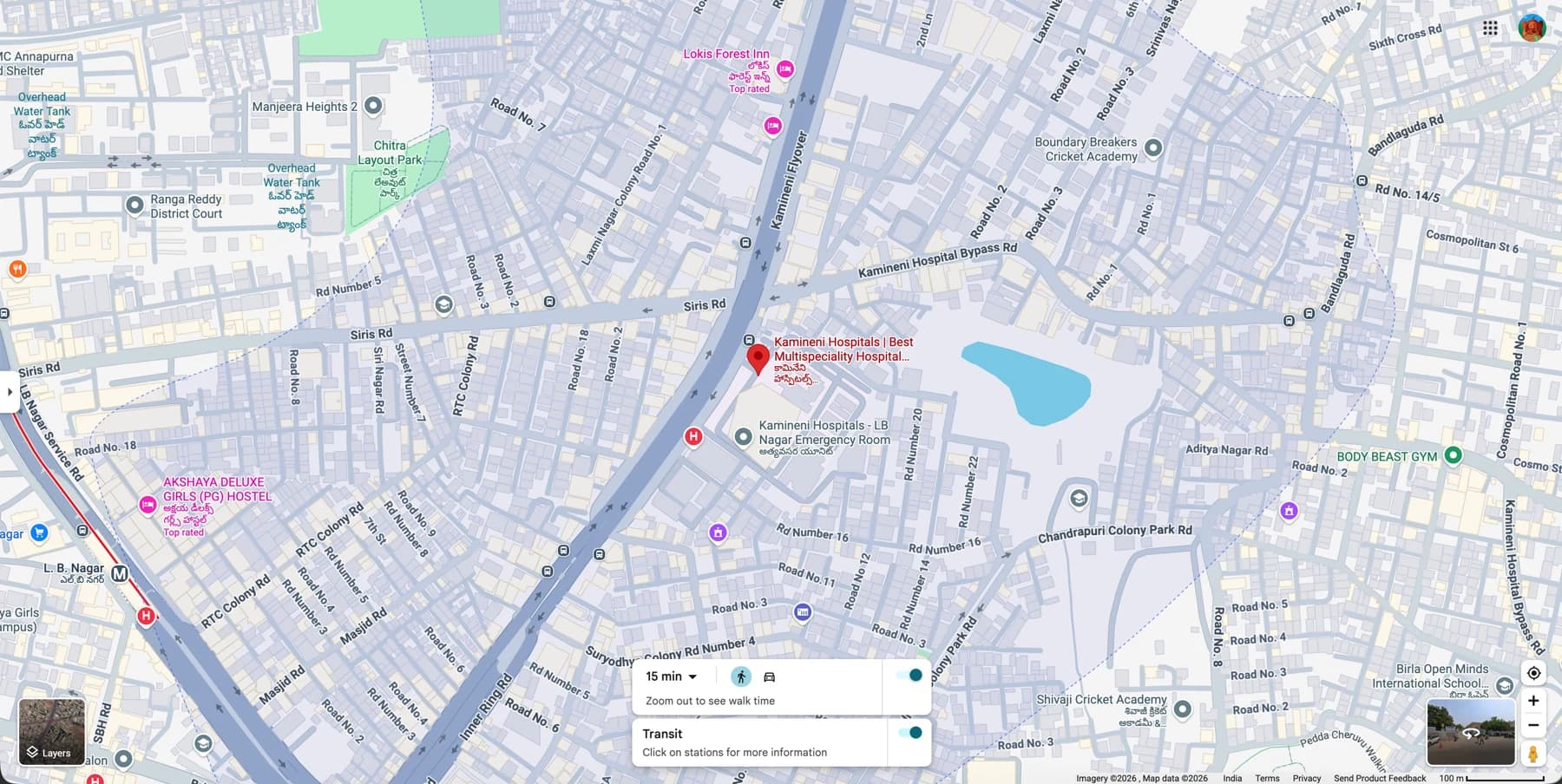
M'Brace welcomes you at two locations in Hyderabad, LB Nagar and King Koti, each equipped for consultations, diagnostics and every stage of care.
Frequently Asked Questions
What couples most often ask about ICSI.
Advised ICSI?
Fill in the form and the M’Brace care team will call you to fix a consultation for you and your partner at LB Nagar or King Koti.